



Winter term waste reduction strategies for schools
The winter term brings its own set of challenges for schools. The shorter days and colder weather mean that pupils spend more time indoors – so it’s common to see an increase in paper and food waste during this time. Now is the perfect time to review your school’s waste reduction strategies and put initiatives in place to boost recycling rates.
At McCarthy Marland, we work closely with schools across the South-West to provide compliant, cost-effective school waste management solutions. Here are some simple ways you can reduce your school waste during the winter term.
The importance of waste reduction in schools during winter
Winter puts extra pressure on school resources. Students spend more of their lessons and lunchtimes indoors, meaning you can expect more:
- Paper waste from worksheets, exams, and revision materials
- Food waste from hot meals and packed lunches
- Single-use plastic packaging from snacks and drinks
- Contamination of recycling bins due to confusion over materials
The use of heating, lighting, and electrical equipment also increases during the colder months, which drives up your school’s overall environmental impact.
By prioritising waste reduction school initiatives during the winter, you can stay in control of your waste, reduce unnecessary collection costs, and encourage good recycling practices at this key point in the academic year.
How to reduce your school waste in the winter term
1) Boost your paper and packaging recycling programmes
As mentioned above, paper is one of the largest waste streams in schools during winter. Having colour-coded bins and clear signage about what goes in which bin can make a big difference to your winter term recycling success.
Encourage all students and staff to print double-sided, reuse their scrap paper, and use digital resources wherever possible to reduce the amount of paper waste your school produces. When it comes to packaging waste, we recommend ensuring that all your classrooms and communal areas have clearly labelled recycling bins for cardboard, plastics, and cans.
2) Minimise food waste in your school canteen
The volume of food waste produced in school canteens often increases during the winter months. Reviewing the portion sizes being served by your catering team, monitoring popular meals and removing unpopular choices, and encouraging pupils to only take what they will eat are just some of the ways you can easily reduce your school food waste.
You could also introduce food waste collections to allow unavoidable food waste to be diverted from landfill. And don’t forget to encourage everyone to clearly separate different types of food waste in the school kitchen and dining halls, as this will help to improve recycling rates and hygiene standards.
3) Engage your students and staff in eco-challenges
Waste reduction always works best when everyone is involved. You could set up some eco-clubs, introduce fun classroom challenges, or encourage staff to lead recycling initiatives. This will help embed good habits across the school by making sustainability part of everyone’s daily routines, rather than just a one-off initiative.
Why not empower your pupils by appointing student recycling monitors, or allowing them to design posters and signage around the site? Holding regular recycling briefings and giving your staff clear responsibilities will help to ensure that waste reduction remains consistent across all classrooms, offices, and communal areas.
Partner with McCarthy Marland for all your school waste management needs
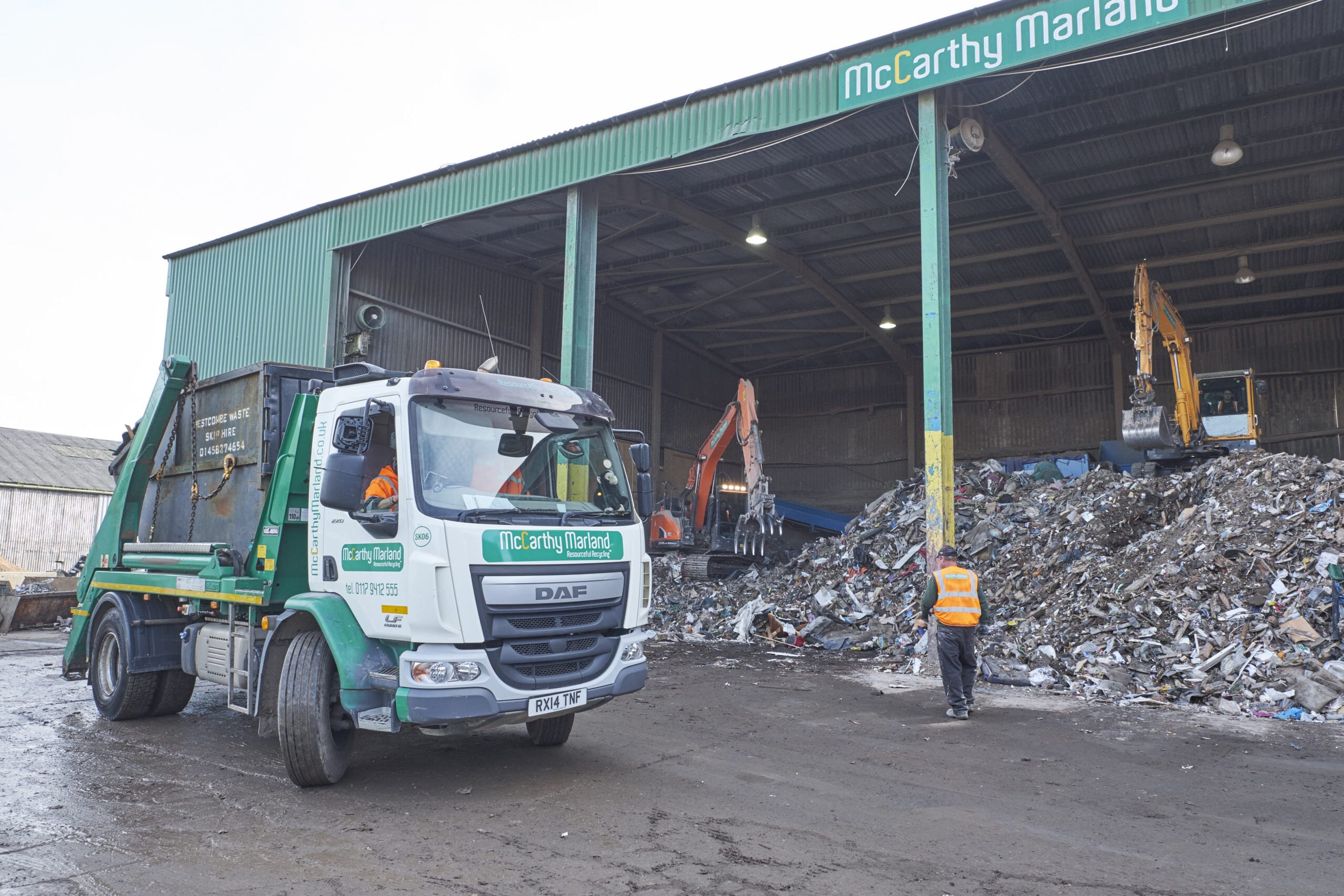
Managing multiple waste streams in your school can be difficult when you’ve got a million other things to worry about. At McCarthy Marland, we offer a wide range of school waste management services to help you maintain a clean, healthy, and environmentally responsible campus – with minimal effort on your part.
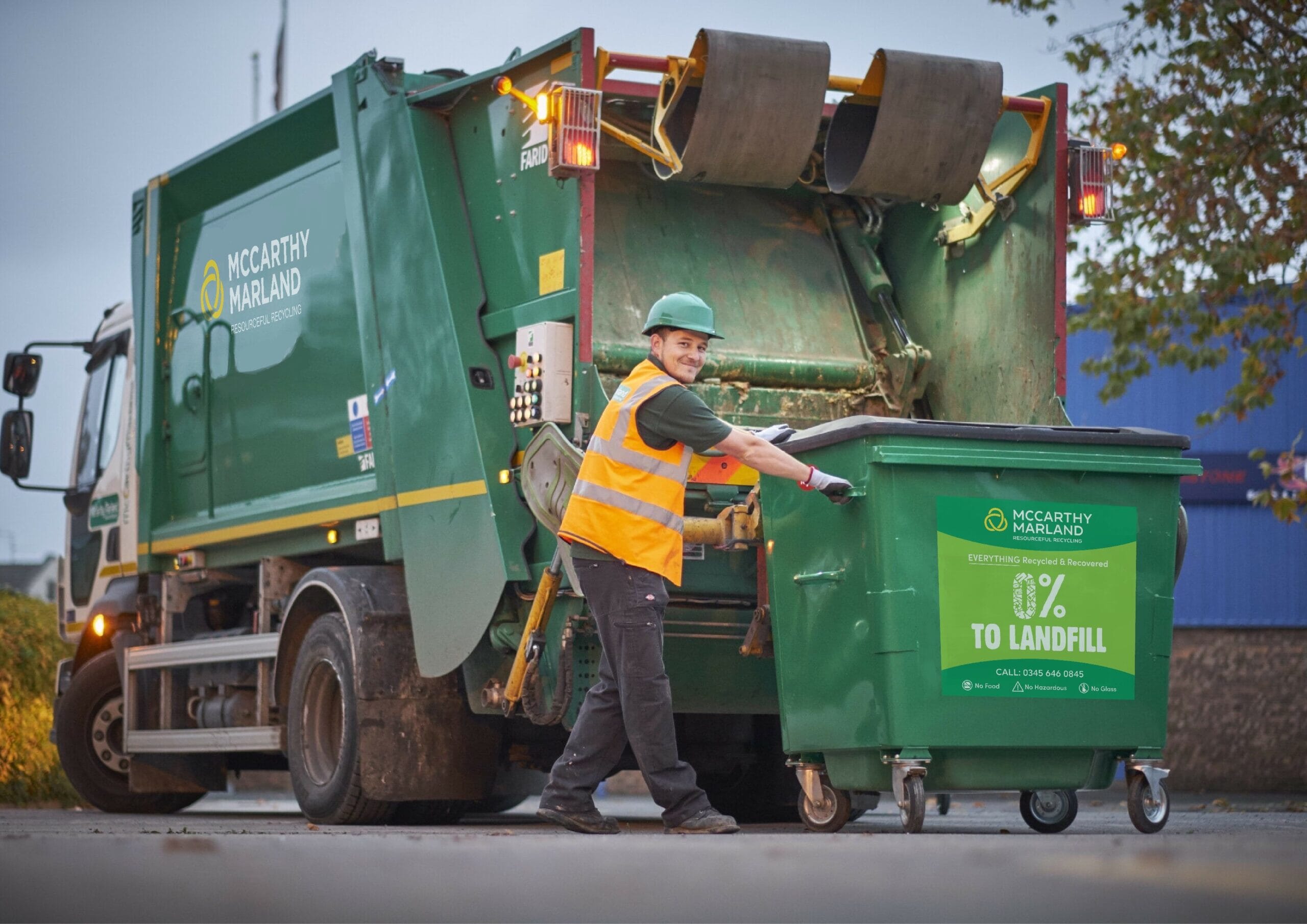
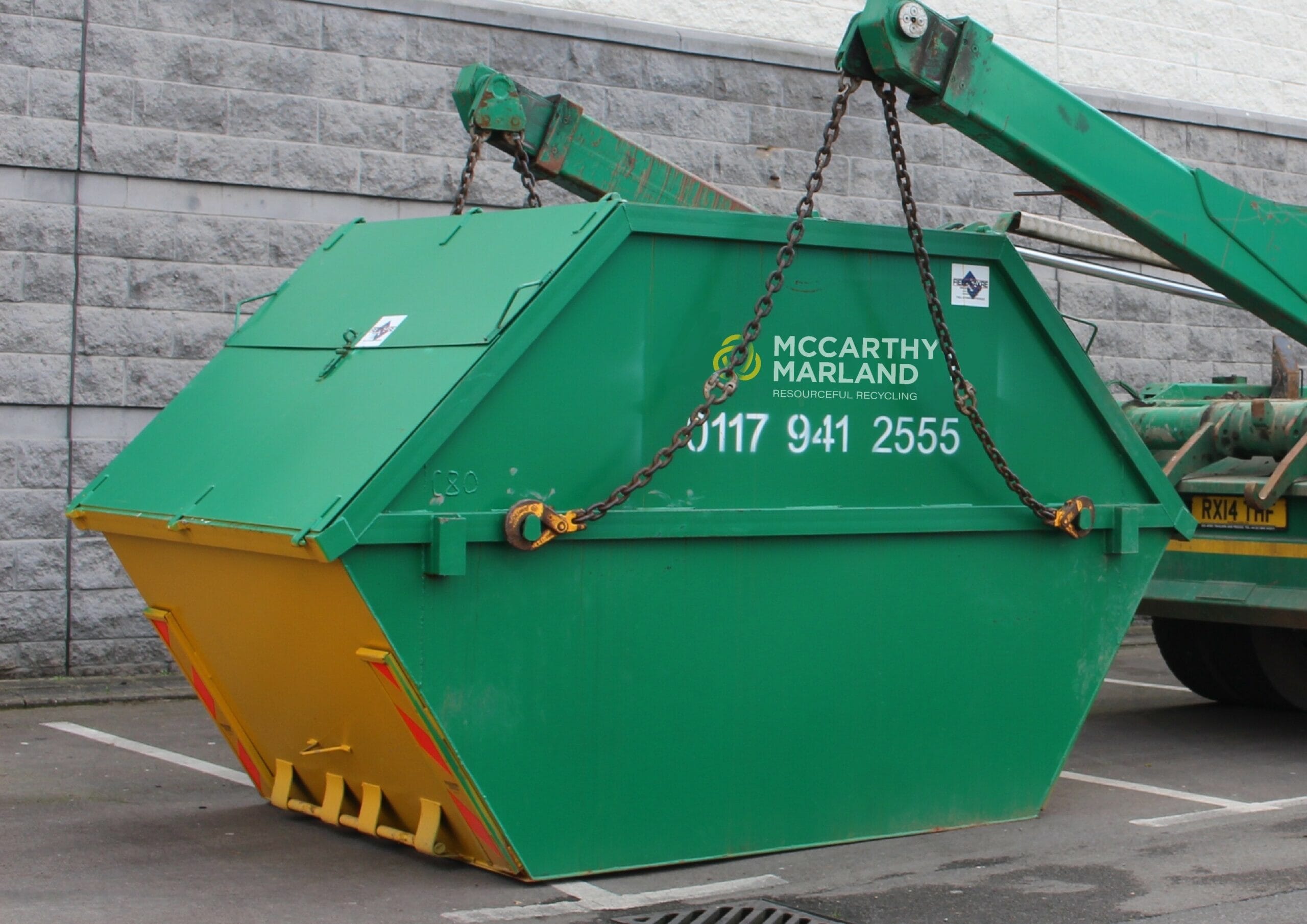
Choose from multiple sizes of recycling & recovery, food waste, and glass recycling bins to help you segregate and manage your school waste effectively. We will then collect your bins at a convenient time that works with your school calendar, minimising disruption to both your students and your staff. Upon collection, all waste is sorted and processed at one of our recycling centres. We’re proud to achieve an average recycling rate of 95% across all our facilities, so you can rest assured that your waste won’t end up in landfill.
Get in touch to organise your free waste audit and discover how McCarthy Marland can help boost your school’s recycling rates this winter.
FAQs
How can schools reduce waste quickly during the winter term?
Schools can reduce waste quickly during the winter term by improving their recycling signage, reducing paper use through double-sided printing, and ensuring food waste is separated correctly.
What types of waste do schools produce most in winter?
During winter, schools typically generate more paper wood, food waste, and single-use packaging. This is because both staff and students spend more time indoors during the colder months.
How can we improve recycling without confusing pupils and staff?
Having clear, colour-coded bins with simple signage is key to improving recycling without confusing pupils and staff. Ensure that bin layouts across classrooms and communal areas are consistent to help reduce contamination and improve recycling rates.
How can a waste audit help our school reduce waste?
A waste audit helps your school reduce waste by identifying where waste is being generated and highlighting recycling opportunities. This information will enable you to create a clear, cost-effective waste reduction plan that’s tailored to your campus.