



5 ways your business can achieve zero waste in 2025
In today’s eco-conscious world, many businesses are now seeking to minimise their environmental impact by sending zero waste to landfill. Transitioning to a zero waste business is no easy task, and taking those first steps to reducing your commercial waste can be a daunting process. But by setting clear waste management goals that are specifically tailored to your commercial needs, you can begin to minimise your business’ environmental footprint, whilst also enhancing your corporate social responsibility.
In this article, we delve into all things zero waste, and explore how your business can achieve these ambitious waste management goals.
What does zero waste mean?
Zero waste is a specific approach to waste management that aims to divert 99% of waste away from landfills. This concept goes far beyond recycling, and instead focuses on embracing a circular economy. A zero waste business model involves reducing, reusing, and recycling to ensure that raw materials are kept in use for as long as possible, helping to conserve our natural resources and reduce harmful greenhouse gas emissions from landfill sites.
How to become a zero waste business in 2025
1) Conduct a Waste Audit
The first step to becoming a zero waste business is to conduct a comprehensive waste audit. It’s vital that you understand the quantities and types of waste that your business is generating and what happens to this waste before you make any changes. This process involves collecting data on the materials, supplies, and resources being used in your daily business operations. You can then easily identify inefficiencies and areas for improvement, allowing you to set realistic and achievable zero waste goals.
2) Educate & Involve Your Employees
Employee engagement is essential for achieving your business’ zero waste goals. Once you’ve conducted an initial waste audit and identified areas for improvement, it’s time to educate and involve your employees. Conduct regular training sessions on zero waste practices and offer incentives for staff members who demonstrate innovation in waste reduction strategies. This will motivate your team to actively participate in your journey towards zero waste, and help foster a sense of community and shared responsibility.
3) Follow the 5 Rs: Refuse, Reduce, Reuse, Repurpose & Recycle
The 5 Rs of waste management are essential for attaining your business’ zero waste goals. Every step in the process helps your organisation to eliminate waste and promotes more environmentally friendly waste management practices. The 5 Rs are:
- Refuse: Cut down on unnecessary materials that could be contributing to your business’ waste production i.e. packaging.
- Reduce: Minimise the amount of waste your business produces at the source, for example by ordering products that use less packaging or purchasing products in bulk.
- Reuse: Extend the lifecycle of any materials your business uses by switching to multi-use alternatives i.e. opt for reusable coffee cups instead of disposable versions.
- Repurpose: Give your existing materials a new lease of life and find new ways to use products i.e. repurposing plastic bottles into bird feeders.
- Recycling: Ensure that all recyclable materials are properly segregated and sent for recycling i.e. glass, paper/cardboard, multi-use plastics.
4) Explore Alternative Waste Disposal Methods
Although not all waste is recyclable, that doesn’t mean it has to end up in landfill. There are many alternative waste disposal methods out there that can help contribute to a more sustainable future. These include:
- Energy-from-waste (EfW): A specialised facility that helps to recover energy from non-recyclable waste and generates renewable power in the form of electricity, heat, and fuel.
- Composting: Food and garden waste can be composted through a process known as anaerobic digestion, which is when bacteria breaks down organic matter into biogas and biofertiliser.
5) Partner with a Commercial Waste Management Company
Collaborating with a dedicated commercial waste management company that is passionate about sustainability, like we are at McCarthy Marland, is a surefire way to achieve your zero waste goals. We can help you develop an effective waste strategy that is specifically tailored to your business needs, and work with you to implement stringent waste reduction and recycling strategies. By partnering with McCarthy Marland, you are well on your way to achieving zero waste status.
Contact us today to discover how we can help your business achieve its zero waste goals.
Christmas by the Numbers: A Wasteful Wonderland?
It’s sad but true that Christmas is the most wasteful time of the year. Businesses and households in the UK generate much more waste at Christmas than any other time of year – from single use packaging to food leftovers, and everything in between.
But hope isn’t completely lost. By making a few small changes, we can all reduce the amount of waste we produce this Christmas time. In today’s blog, we outline some of the most shocking Christmas waste statistics in the UK, and share some top tips for reducing waste over the festive period.
Christmas waste statistics UK
Christmas Decoration & Tree Waste Facts
- A hefty 12,500 tonnes of Christmas decorations are discarded in landfill each year.
- In terms of Christmas fairy lights, we can expect to find the equivalent length of 70,000 miles thrown away this year.
- Approximately 40 million Christmas crackers will be chucked on Christmas Day.
- Tinsel is made of single-used plastic so cannot be recycled, meaning it will inevitably end up in landfill.
- UK citizens cut down 8 million trees for Christmas each year. Unfortunately, around 6 million of these will find their way into landfill.
- As they decompose, Christmas trees emit 100,000+ tonnes of methane gas, which is a key contributor to climate change.
Christmas Wrapping Paper Waste Facts
- We anticipate that around 108 million rolls of wrapping paper will be thrown away this Christmas. This equates to 75% of the overall wrapping paper sent to landfill each year.
- If you take out all the Christmas wrapping paper waste and lay it out flat, it would stretch to 238,855 miles – the same distance of the Earth to the moon.
- Most wrapping paper isn’t suitable for recycling. It often contains glitter, is laminated, or is extremely thin, which means it can only end up in landfill.
- 50,000 trees are cut down to make Christmas wrapping paper each year, greatly contributing to deforestation.
- UK households will use approximately 40 million rolls of sellotape to wrap their Christmas presents this year.
Christmas Packaging Waste Facts
- The majority of Christmas packaging waste ends up in the landfill. Frustrating, over 114,000 tonnes of recyclable packaging waste is wrongly placed in the general waste bin over the festive period.
- If you weighed the amount of plastic waste discarded during Christmas each year, this would equal the weight of 76,000 giraffes.
- When it comes to food packaging, we can expect to see 125,000 tonnes of waste thrown away this Christmas.
- 4,500 tonnes of tin foil will be used to cover leftover Christmas food in Britain this year. However, most tin foil is single-use, meaning it will find its way into landfill.
- We consume around 1 million mince pies each festive season, which creates an entire tonne of aluminium waste.
Christmas Food Waste Facts
- Wondering how much food is wasted at Christmas? Approximately 42 million plates worth of food waste will be generated this year.
- The average UK household spends £169 on food shopping in the lead up to Christmas. However, 7 in 10 people admit to buying more food than they actually need.
- 10 million turkeys are bought for Christmas dinners each year, but the majority of these will not be fully eaten.
- 263,000 entire turkeys will be thrown away this year, either from being spoiled, contaminated, or damaged.
- In terms of trimmings, 17.2 million sprouts, 7.1 million pigs in blankets, 9.8 million cups of gravy, and 9 million carrots will find their way into the bin.
- When it comes to after-dinner treats, Brits are expected to waste 7.5 million mince pies, 2 million kg of cheese, and 740,000 portions of Christmas pudding this year.
Tips for minimising waste over the festive period
One of the best ways to reduce waste this Christmas is to be mindful of what you’re purchasing. Think about whether you actually need to buy every item on your list, and consider how your actions may impact the environment. Some of our specific tips for reducing waste over the festive season include:
Minimising Christmas Decoration & Tree Waste
- Switch to zero waste Christmas decorations instead of tinsel this year, such as reusable festive garlands and colourful bunting.
- If you have unwanted decorations that are still in working condition, take them to a charity shop instead of throwing them in the bin.
- Replant your Christmas tree in your garden so you can reuse it again next year.
- Alternatively, you can take your Christmas tree to your household waste recycling centre for shredding and composting.
- If you’re opting for an artificial tree this year, dispose of it in the small appliance or plastic reuse containers at your local recycling centre.
Lowering Wrapping Paper & Packaging Waste
- Try eco-friendly wrapping paper alternatives this Christmas, such as brown paper with string and sprigs of holly.
- Ask for and give items to others that use less packaging. Consider making some homemade gifts or purchasing from a sustainable packaging company.
- Check whether your wrapping paper is recyclable before throwing it away. If it holds its shape when you scrunch it into a ball, it is recyclable. If it springs back open, it cannot be recycled.
- Remove any plastic bows and ribbons before recycling your wrapping paper. These can be easily reused for future wrapping.
- If you use glitter for your Christmas packaging, do not tip it down the sink as it can pollute our landfills and oceans. Instead, purchase eco-friendly glitter that can be stored and reused again.
Reducing Christmas Food Waste
- Plan ahead when purchasing food for Christmas. Think carefully about what you will realistically eat over the festive period and don’t buy more than you need.
- Buy loose fruit and vegetables rather than larger, cheaper bags that you are unlikely to get through.
- Get inventive with your Christmas leftovers and think about how you could reuse your trimmings in sandwiches, soups, and stocks.
- If you find yourself with extra food that your family is unlikely to eat, freeze it for a later date.
- Invest in a compost bin for disposing of your peelings and leftover fruit and vegetables.
Wrapping up
Christmas is a time for giving, which includes making a positive contribution to our environment. By choosing more sustainable options and being mindful of your consumption, you can give the gift of a greener planet this festive period.
McCarthy Marland can help UK businesses and households reduce waste this Christmas. Our expert team can handle all your festive waste management needs – from skip hire and wheelie bins, to flexible Christmas waste collections. Get in touch today to discover how we can help support you this festive season.
The environmental benefits of proper commercial waste collection
Sustainability is no longer just a “nice-to-have”; it’s a growing concern for businesses, governments and communities across the globe. UK businesses are now required by law to responsibly manage their commercial waste collection, which includes preventing, reusing, recycling and recovering waste materials wherever possible. But it’s not just about fulfilling legal obligations; proper commercial waste collection also enables your business to make a meaningful environmental impact.
We delve into the environmental benefits of proper waste collection and explore how McCarthy Marland can help you achieve your environmental business goals.
Minimising landfill waste
One of the most obvious benefits of proper business waste collection is reducing the amount of waste sent to landfills. Landfills pose various risks to the environment, most noticeably releasing the harmful greenhouse gas known as methane into our atmosphere. This contributes to the formation of the ozone layer and decreases air quality, as well as harming both animal and human health.
By partnering with a responsible commercial waste collection company that is committed to maximum landfill diversion, your business can help sustain our environment for future generations. McCarthy Marland diverts as much waste as possible from landfill, allowing our customers to rest assured in the knowledge that their business waste management requirements are being taken care of in an environmentally responsible manner.
Improving recycling efforts
Recycling is key to reducing our impact on the environment. The process offers various environmental benefits, including:
- Reducing energy consumption, as recycling materials uses much less energy than producing new virgin materials.
- Lowering carbon emissions, as recycling reduces the amount of greenhouse gases released into the atmosphere via new material production.
- Conserving natural resources such as wood, oil and minerals, which helps to protect our ecosystems and encourage biodiversity.
Waste recycling is at the heart of everything we do at McCarthy Marland. We achieve an average recycling and energy rate of 95% across our designated waste management facilities, with the other 5% being sent to landfill.
Preventing pollution and contamination
Improper waste management, including sending waste to landfills or recklessly disposing of materials via fly tipping, can contaminate our land, air and waste sources. Hazardous waste such as asbestos, chemicals, oils or WEEE waste can seep into our soil and groundwater, causing significant environmental damage and posing risks to human and animal health if not disposed of correctly.
McCarthy Marland offers specialised services to ensure your hazardous waste is handled and disposed of in a responsible and compliant manner. We’ll arrange to collect any commercial waste materials that may be ignitable, corrosive, reactive or toxic, transporting them to a fully licensed hazardous waste disposal facility which is closely monitored by the Environment Agency.
Reducing carbon footprint
The processes involved within commercial waste management can negatively impact your business’ overall carbon footprint. Every stage involved in collecting, transporting and processing your commercial waste all emits some form of greenhouse gas, contributing to global warming and climate change.
Here at McCarthy Marland, we always endeavour to incorporate energy efficient processes within our business waste collection services. We have our own fleet of collection vehicles and carefully consider each route to minimise fuel consumption and emissions, as well as investing in industry-leading technologies that precisely monitor the energy efficiency of all our operations. By partnering with McCarthy Marland, you can contribute to the growing global effort to help combat climate change.
Remaining compliant with environmental regulations
The environmental regulations surrounding commercial waste management in the UK can be difficult to navigate. Businesses can face potential hefty fines and reputational damage for non-compliance, meaning it’s vitally important to adhere to all relevant business waste management legislations. You can read more about your responsibilities for waste disposal via the official government website.
McCarthy Marland is fully licensed and registered by the Environment Agency. We have an up-to-date Waste Carriers Licence, and all four of our depots have been awarded with a dedicated Waste Management permit. We provide businesses with all the documentation needed to prove their waste is being disposed of correctly, and can even handle all the paperwork to organise a commercial skip hire permit if required.
Supporting local communities
Did you know that following responsible commercial waste management practices can have a positive impact on your local community? By reducing the amount of waste your business sends to landfills and encouraging recycling efforts, you will set a positive example to customers, stakeholders and fellow businesses in the local area.
Your business’ sustainable waste practices could lead to an improved understanding of the effects of global warming or encourage broader community participation in recycling. Perhaps you could even organise a local litter picking or beach clean event to help foster that sense of community spirit.
How McCarthy Marland can enhance your commercial waste collection efforts
It’s clear that proper commercial waste collection and disposal has numerous benefits to both your business and the world around us. By partnering with an experienced waste management company like McCarthy Marland, your business can remain compliant with waste regulations, reduce your carbon footprint, and make a positive impact on the environment.
We offer a wide range of cost effective business waste management services, including commercial wheelie bin hire, commercial skip hire, commercial roll on roll off container hire, and commercial grab hire. Get in touch today to discover how McCarthy Marland can help enhance your commercial waste collection efforts.
How to control food waste in your restaurant
Food waste is one of the biggest modern challenges facing the restaurant industry. As well as negatively impacting your finances, restaurant food waste causes significant harm to our planet. When organic food waste is sent to landfill, it produces a greenhouse gas known as methane, which can have a detrimental effect on both human and environmental health.
Controlling your restaurant food waste can help your establishment save money, reduce your carbon footprint, and boost your reputation amongst today’s eco-conscious customers. We share some top tips on how to control food waste in your restaurant, as well as discussing why you should choose McCarthy Marland for all your restaurant waste management needs.
Top tips for reducing your restaurant food waste
Complete a food waste audit
Understanding how your restaurant produces food waste is the first step towards reducing it. A comprehensive food waste audit can help you identify how this waste is generated within your restaurant. For example, it may be that you are overordering ingredients, or you are serving overly-large portions sizes.
Completing frequent restaurant food waste audits can help you make better decisions with regards to ordering, storing and preparing ingredients. By successfully monitoring this data on a regular basis, you can then begin to create a stringent restaurant waste management programme that is specifically tailored to your individual requirements.
Refine your inventory management
Effectively managing your restaurant’s inventory can help to mitigate overordering, reducing the amount of food that exceeds its expiry date. We highly recommend adopting a first-in first-out (FIFO) system to ensure that older ingredients are used before newer ones, minimising potential spoilage.
There are many digital inventory management systems out there that can help streamline your restaurant’s waste management programme. Software such as nory and Oracle allow you to track your inventory in real time and make smarter decisions when managing expiry dates and reordering stock.
Optimise your menu items
Your restaurant should always aim to design smart menus with food waste reduction at the forefront. Prioritise dishes that use overlapping ingredients and create seasonal menus that can be easily adjusted depending on the quantities of stock available. You could even offer varied portion sizes that allow customers to choose whichever size matches their appetite. These restaurant food waste solutions can help to reduce plate waste and maximise the freshness of ingredients used.
Educate and involve your staff
All team members should be involved in implementing effective restaurant food waste solutions, whether they be front-of-house staff or kitchen workers. This helps to foster a culture of unity and togetherness, with all staff members working together to achieve a shared goal.
For example, serving staff should be encouraged to advise customers on portion sizes and recommend seasonal dishes with ingredients approaching their expiration dates. Kitchen staff should be trained to utilise the entire product when cooking, such as repurposing food scraps for stocks or sauces.
Donate excess ingredients
One of the best ways to prevent food waste whilst making a difference to your local community is by donating leftover food and ingredients. Charities and food banks will usually accept donations that are identified as safe to eat, even if items have surpassed their expiry date. You can read more about the criteria for businesses donating to food banks via the official government website.
Compost restaurant food waste
Whilst restaurant food waste should be mitigated wherever possible, it cannot be avoided entirely. Composting can significantly reduce the environmental impact of your establishment’s food waste, helping to divert waste from landfill by instead processing it for anaerobic digestion. This method converts food scraps into nutrient-rich soil, which can then be used in local allotments, gardens or farms; lowering those harmful greenhouse gas emissions and improving your restaurant’s “green” reputation.
Why partner with a restaurant food waste management company?
Seeking to enhance your restaurant’s sustainability status? McCarthy Marland offers a wide range of innovative food waste solutions to the hospitality industry, including restaurant food waste recycling and restaurant waste collection services. We offer flexible collection times that minimise disruption to your daily operations, ensuring that all organic waste is recycled into renewable energy via anaerobic digestion. With our dedicated waste management facilities achieving an average recycling rate of over 95%, you can count on McCarthy Marland to help improve your restaurant’s eco credentials.
Get in touch with us today to schedule your restaurant’s food waste consultation.
The benefits of grab hire for waste removal
Grab hire is one of the most efficient methods of waste removal, offering construction and demolition sites the ability to remove large volumes of waste in a single trip. It is an extremely fast and flexible option, providing a stress-free waste removal service to commercial enterprises who are pressed for time.
But what actually is grab lorry hire, and how does it fare against traditional skip hire? We answer all your questions on grab hire below.
How does grab hire work?
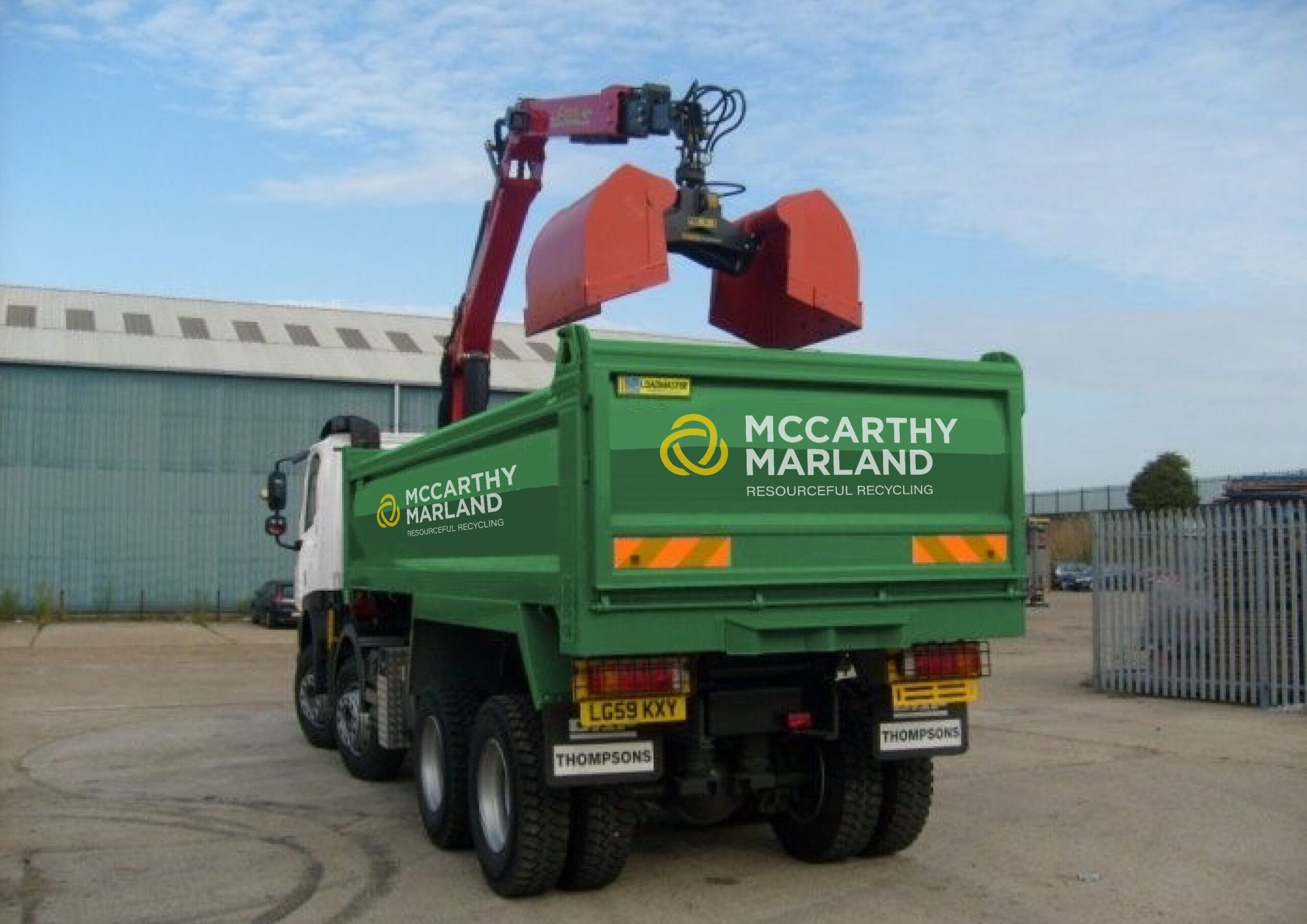
Grab hire is a specialised waste removal service that involves a vehicle with a hydraulic grab arm (AKA a grab lorry) visiting your premises to collect unwanted materials. Grab lorries are equipped with a hydraulic arm, a grab bucket and a large storage container. The waste is “grabbed” from the site using the hydraulic arm and grab bucket, before being placed in the storage container and transported to an external disposal or recycling facility.
If you’re wondering how far a grab lorry can reach, the hydraulic arm can extend up to 8 metres in length. A grab lorry can hold up to 12 tonnes of waste, thanks to its generously sized storage container. This makes it an ideal solution for construction and demolition sites who need to remove large quantities of heavy or bulky waste.
Why choose grab hire for your waste removal?
Convenience
Grab lorry hire is a convenient and versatile option for waste removal. The lorry’s hydraulic grab arm does all the heavy lifting, reducing the need for manual labour to load waste into a container. They are also more flexible with regards to accessing waste. The grab arm’s long reach can extend over walls, fences and hedges, collecting waste from hard-to-reach areas. This is useful in built-up areas which would be difficult to reach for manual loading.
Speed
As well as being convenient, grab hire offers a much quicker solution than skip hire. Waste can be collected and removed in as little as an hour, unlike skips which are dropped off for loading and collected at a later date. Waste can also be collected in a single visit and taken away immediately, making it a much speedier option for sites who require same-day waste removal.
Large capacity
Grab lorries can handle vast amounts of waste, often much larger than a regular skip. Our largest skip at McCarthy Marland can hold just over 9 cubic metres of waste, whereas our grab vehicles have the ability to remove up to 12 tonnes of waste in a single load. This makes them the ideal choice for large-scale construction projects that are likely to generate a significant amount of debris.
Cost effective
You may be wondering how much grab hire costs, and whether grab lorries are cheaper than skips. Although the cost of grab hire can vary depending on the type and volume of waste and the location of removal, they are usually more cost-effective for larger projects compared to skip hire. Grab lorries can remove large amounts of waste in a single trip, which works out much cheaper than hiring multiple skips. Plus, there’s no need for skip permits, which can carry additional costs and paperwork.
Sustainable
Did you know that grab hire is a more sustainable solution than traditional skip hire? Grab lorries require fewer trips to and from the construction site, helping to reduce fuel consumption and minimise your project’s carbon footprint. McCarthy Marland processes and recycles all waste at our designated transfer stations, which receive an average recycling rate of 95%+. Therefore, you can rest assured knowing that the waste we collect will not end up in landfill.
Reliable grab lorry hire from McCarthy Marland
If you’re searching for a reliable waste management provider in the South-West, look no further than McCarthy Marland. Our grab hire offers a practical solution for removing and delivering materials from areas with limited access, making them the perfect choice for built-up areas such as Bristol and Bath. Our experienced grab lorry drivers are trained to operate all our vehicles safely, and are highly skilled in negotiating confined spaces, uneven surfaces and challenging obstacles.
Fill out our contact form today to submit an enquiry about our professional grab lorry hire services.
The horrifying truths about pumpkin waste
Halloween is one of the most celebrated and commercialised events of the year, with pumpkins taking centre stage in homes, businesses, and communities across the UK. In recent years, the popularity of pumpkins has skyrocketed. They adorn homes, restaurants, shops, offices, and outdoor spaces, with millions of people carving jack-o’-lanterns or using pumpkins as festive décor.
However, the rise of pumpkin popularity has a darker side—pumpkin waste. After the Halloween festivities, many pumpkins end up in landfill, releasing the harmful greenhouse gas known as methane. This problem isn’t just limited to homes but also extends to the commercial sector, where businesses use large quantities of pumpkins in displays and decorations.
Read on to discover how your company can reduce food waste, mitigate environmental damage, and even turn pumpkins into a sustainable asset.
The rise of pumpkins across all sectors
The cultural importance of pumpkins during Halloween is undeniable. Carved pumpkins have moved beyond personal use in homes and are now a staple of corporate, hospitality, and retail décor during the autumn months. From giant pumpkin installations in shopping centres to autumnal-themed restaurant menus, pumpkins have a strong presence in commercial spaces.
However, once Halloween is over and the autumn decorations come down, the fate of these pumpkins can be wasteful, as many businesses fail to dispose of them properly. This contributes to an already significant problem of organic waste in landfills. As businesses embrace seasonal trends like Halloween, there’s a growing responsibility to manage the environmental consequences that come with it.
The commercial side of pumpkin waste
Whilst it is possible for households to put pumpkins in their garden waste or compost bins, businesses tend to deal with much larger quantities, especially when decorating for the season. The retail and hospitality sectors are two of the biggest contributors to commercial pumpkin waste. Shopping centres, restaurants, cafés, and hotels often purchase large numbers of pumpkins to create festive displays, drawing customers in with their autumnal charm.
But what happens to pumpkin waste once Halloween is over? Unfortunately, many businesses dispose of them without a second thought, often sending them to landfills where they contribute to methane emissions. Pumpkins are organic matter, and when they decompose in landfills without proper oxygen, they release methane gas; a greenhouse gas that’s 20 times more effective at trapping heat than carbon dioxide.
The importance of responsible pumpkin disposal for businesses
Responsible disposal of pumpkin waste is important for businesses of all shapes and sizes. Businesses can reduce the amount of food waste sent to landfill by investing in professional waste management services, such as those provided by us at McCarthy Marland, to ensure pumpkins are disposed of in an environmentally friendly way.
We offer bespoke waste management services tailored to commercial needs, including food waste bins designed specifically for organic materials like pumpkins. By placing leftover pumpkins in designated food waste bins, this matter is composted or processed into bioenergy, reducing the amount of waste sent to landfill. These responsible waste practices help reduce your business’ environmental footprint, as well as aligning with modern consumer expectations for sustainable practices.
Sustainable pumpkin waste solutions for commercial enterprises
At McCarthy Marland, we specialise in helping businesses implement sustainable waste management strategies that are both cost-effective and environmentally responsible. Seasonal events like Halloween lead to an increase in waste, but businesses can minimise their impact with the right approach. From food waste bins to tailored recycling solutions, we work with companies to ensure their seasonal waste—whether from pumpkins or other organic materials—is disposed of responsibly.
This Halloween, let’s celebrate with a focus on sustainability, ensuring that pumpkins contribute to a greener future rather than ending up in landfills. Get in touch today to arrange your business’ food waste collections.
Methods for recycling and reducing food waste in schools
Food waste in schools is a significant environmental issue which requires immediate action. Thousands upon thousands of meals are served every day across educational institutions, leading to excess leftovers and food waste. This causes serious harm to both the environment and the economy. But how can we effectively recycle and reduce food wastage in schools?
We share some practical solutions for managing and recycling the amount of school food waste below…
Why is school food waste a problem?
Reports show that over 80,000 tonnes of food waste is generated across England’s primary and secondary schools every year. Schools are responsible for producing 13% of England’s non-domestic food waste, costing the economy a staggering £250m. The majority of school food waste ends up in landfill, where it produces harmful greenhouse gases such as methane. This has a significant impact on global warming, causing irreversible damage to our climate, environment and human health.
How to raise awareness on food waste in schools
Monitor food waste
The first step to reducing food waste is to monitor which types of food are wasted the most. Collect and weigh all food waste produced within the school cafeteria, classrooms, staff room and playground within a set period to determine which food options are unpopular and disliked by students. This will help you make smarter choices about which foods can continue to be served, and which meals need altering.
Involve the students
One easy way to prevent food waste in schools is by encouraging students to share their ideas. Engage your students by conducting fun taste testing sessions, putting on cooking classes, letting them vote on menu choices and holding competitions to name menu items. By involving students in the process, schools can create menus that students will be more likely to enjoy, leading to less food wastage in the long term.
Create a smart menu
Once you’ve completed the initial food waste audit and have asked your students for their ideas, you can begin to compile a smart menu that will inspire and excite your pupils. We recommend being clever about your choice of ingredients and using them in multiple dishes throughout the school week. You could also offer customisable menu options, so that students can remove any elements they won’t enjoy i.e. side salad.
Cook to order
Another way to reduce food waste in schools is by cooking meals to order. Students can choose their meals in advance, either at the beginning of the week or the beginning of the day. This will allow your catering team to plan portions better and only order the required ingredients, leading to minimal kitchen wastage. Plus, meals cooked to order will be much fresher and tastier, meaning your students will enjoy them more.
Faster queues
When students are required to queue for a long time, they will have less time to eat their food and will be more likely to waste items. Students at the end of the queue will also have less menu options to choose from, leading to unwanted food choices that will end up in the bin. Allowing your students to pre-order their meals will help to speed up cafeteria queues, ensuring that each child can savour their food before the school bell rings.
Portion control
Providing appropriate portion sizes can significantly reduce food wastage levels. This will help ensure that students receive enough food to satisfy their hunger, without producing excess leftovers. You could offer all students smaller portions and give them the opportunity to ask for more, or you could allow each individual to select their portion based on the different meal sizes available.
Staggered lunch periods
One of the main reasons why school food waste occurs is because students don’t have enough time to finish their lunch. Try staggering the lunch breaks and making each slot longer, with younger students eating earlier than their older peers. As well as giving pupils enough time to enjoy their food, staggering your lunch slots will ensure that the cafeteria is quieter and more pleasant to eat in.
Composting scheme
If your school does not yet have a composting scheme, now is the perfect time to introduce one. Encourage students and staff members to help divert food scraps from landfills and create valuable soil for school gardens via composting. Getting children involved in composting will teach them how to sustainably manage waste, with the resulting compost being used to grow more fruits and vegetables.
Sustainable waste management solutions for schools
Choose McCarthy Marland’s comprehensive range of food waste collection bins, as well as glass and non-recyclable waste bins, as part of your school’s waste management services.
Our services are designed to help educational institutions maintain a clean, healthy, and eco-friendly environment. Our food waste bins for schools help staff to segregate and manage waste effectively, whilst our flexible school waste collection schedules cause minimal disruption to the school day. All food waste collected by McCarthy Marland is processed through an anaerobic digestion facility, with the gas produced from the process being used to operate our food waste collection vehicles.
Get in touch today to arrange a waste management assessment for your school.
A deep dive into hardcore waste management
Hardcore waste is a key contributor to landfill sites, causing significant harm to the world around us. Hardcore materials can be heavy, bulky and difficult to dispose of conventionally.
It’s vitally important to ensure that your hardcore waste is recycled in a legally compliant and environmentally friendly manner. That way, you’ll avoid landfill fees and hefty fines, as well as future-proofing our planet for generations to come.
So, what is hardcore waste and what does recycling your hardcore waste involve? We explore all things hardcore waste below…
What is hardcore waste?
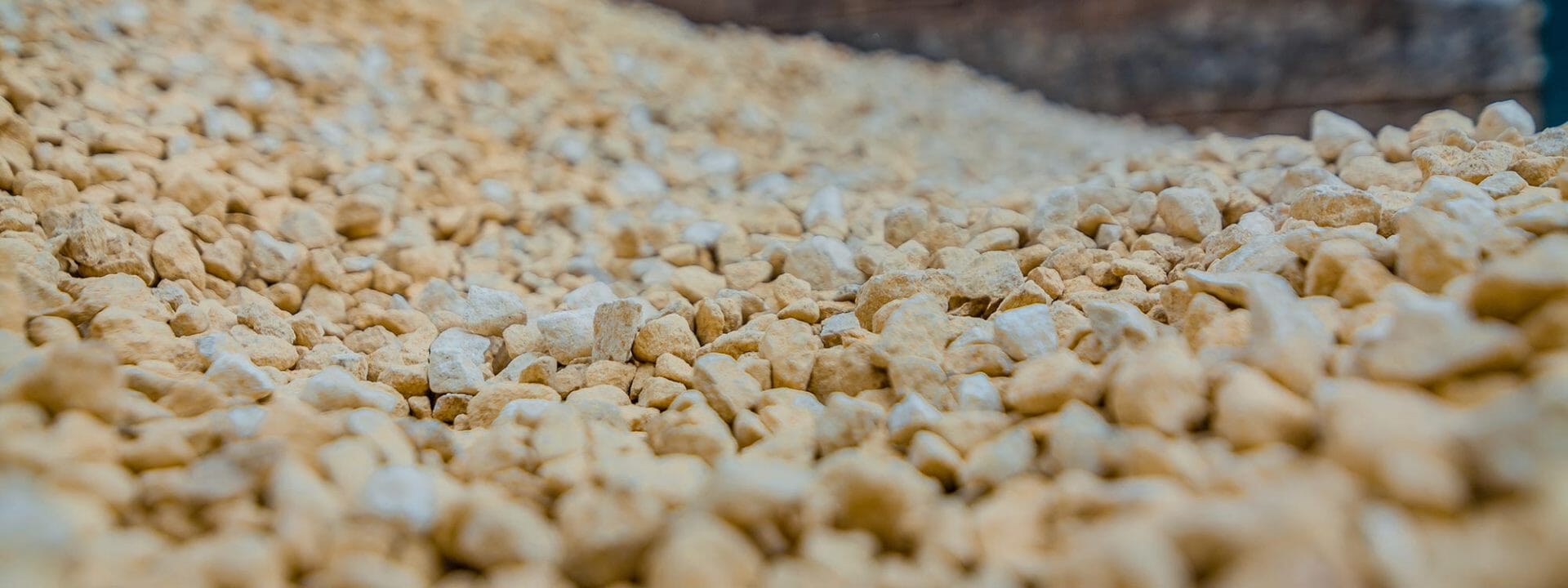
Hardcore waste refers to the solid, dense aggregates that are produced within construction, renovation and demolition projects. This type of waste is often used to create solid bases for load-bearing flooring, for example driveways and garage floors. Materials can include:
- Concrete
- Bricks
- Rubble
- Stones
- Shingle / gravel
- Ceramics
- Tiles
- Quarry waste
How is hardcore waste recycled?
Recycling hardcore waste involves sorting waste into distinct categories (i.e. concrete, metal, wood) and sending it to a suitable recycling facility. Recycled crushed concrete can be used for roads, bricks can be reused in future projects, and metals can be melted down and turned into new products.
As an experienced hardcore skip hire company, McCarthy Marland will collect and transport your construction waste to one of our dedicated recycling centres. We will sort all hardcore waste material on your behalf, ensuring it is correctly screened and processed, before being recycled into aggregates that can be reused over and over again.
The benefits of recycling hardcore waste
There are several benefits to recycling hardcore material. It helps to reduce the amount of waste sent to landfill, as well as conserving natural resources by minimising the production of new materials.
Recycling hardcore waste is a more cost-effective method of waste disposal. This is because processing recycling materials costs less than processing virgin materials. You’ll also make significant savings on potential landfill fees, which can be extortionate!
Can hardcore waste go in a skip?
Most construction waste such as hardcore rubble, bricks, rock and stone can be put into a skip or low sided roll-on roll-off skip. If you choose to hire a skip through McCarthy Marland, there are certain items which may carry additional charges when put in a skip. These are:
With various sizes available, from 2 yard mini skips all the way up to 12 yard skips, hiring a skip is usually one of the cheapest ways to dispose of hardcore. Before you go ahead and hire a skip, you’ll need to first consider where the skip is likely to be placed. You may require a skip permit if your skip is going to be placed on or around private land. We can help advise on skip permits and submit the paperwork on your behalf, if required.
Reliable hardcore waste management from McCarthy Marland
Seeking a reliable waste management company to take care of your hardcore waste? McCarthy Marland offers professional hardcore waste removal services for all manner of construction projects, including hardcore skip hire and the supply of recycled hardcore materials. Get in touch today to enquire about the removal of your hardcore waste.
Building a greener future with construction waste management
Waste is an inevitable byproduct in all construction projects, no matter how big or small. From offcuts and packaging to demolished materials, the industry generates a staggering amount of waste. In fact, the construction industry is responsible for producing approximately 40% of the world’s waste and is one of the biggest drains on the earth’s natural resources.
Effective waste management not only reduces the environmental impact of construction projects, but also contributes to a circular economy where materials are continuously reused. We explore the importance of construction waste management and share practical strategies for managing and reducing waste on your site.
Methods for reducing construction waste
Create a Site Waste Management Plan
Site Waste Management Plans (SWMPs) are valuable tools for construction projects, designed to efficiently manage and reduce waste generated on-site. While not legally required, SWMPs offer a structured approach to identifying your waste streams, tracking waste quantities, and implementing recycling and disposal strategies. Through effective planning, your construction company can minimise waste, reduce costs, and improve sustainability.
Order the correct amount of construction materials
Many construction companies are guilty of over-ordering materials, which is one of the key contributors to construction waste. It may be tempting to order slightly more materials than needed to account for any oversights, but you should always take the time to calculate the exact amount of materials required for your project. Building material suppliers can provide accurate material estimates, with some even offering to take back any unused materials.
Recycle your construction waste materials
By recycling materials such as concrete, metal, and wood, you not only divert waste from landfills, but also conserve natural resources and reduce the environmental impact of your project. Recycling also reduces the need for raw material extraction, which can have significant environmental consequences.
Many construction projects now aim for high recycling rates, with some achieving over 90% diversion from landfill. To maximise the sustainability of your site, work with a waste management company that offers comprehensive recycling services tailored to the construction industry, such as McCarthy Marland.
Which construction materials can be recycled?
Plasterboard recycling
McCarthy Marland’s plasterboard recycling services handle clean, segregated plasterboard waste, ensuring it is effectively processed for reuse and recycling. We can dispose of all plasterboard types, including demolition plasterboard, off-cuts from construction, and manufacturing excess materials.
Wood recycling
Wood recycling transforms old or unused timber into valuable resources, promoting sustainability in construction. We accept a wide range of wood for recycling, including pallets, demolition timber, fencing, window frames, furniture and off-cuts from construction. All wood is graded and processed into wood chips, before being recycled into chipboard or biomass fuel.
Scrap metal recycling
Scrap metal recycling involves the recycling of both ferrous and non-ferrous metals, reintroducing them back into the manufacturing cycle. Our specialist machinery is able to extract both small and large pieces of scrap metal from construction sites, before being bulked up for recycling.
Rubble recycling
Rubble recycling processes materials from construction sites into aggregates for future use in new projects. We collect stone, hardcore, bricks, concrete, block work, demolition stone, paving slabs, tiles and ceramics from construction projects, removing any potential contaminants before it is crushed for recycling.
Types of construction waste collections
McCarthy Marland offers a wide range of construction waste collections to match all project requirements, helping businesses of all sizes to work efficiently and cleanly, no matter the scale. Below are just a few of the options available to you and your business:
Skip hire
We provide various types of skips, including open-top, enclosed, roll-on roll-off (RoRo), and drop-door skips. Each skip comes in a range of sizes, suitable for any construction job requirement. All our skips are delivered and collected promptly, with some locations even offering same-day delivery.
Grab hire
Grab lorries are ideal for collecting large volumes of waste from excavations, including soil, rubble, and aggregates. Our grab lorries provide a practical solution for extracting waste from areas with access issues, offering same day removal of waste for up to 12 tonnes in a single load.
Asbestos collection
Specialist asbestos skip hire ensures the safe collection and disposal of asbestos-containing materials, adhering to strict safety regulations. We can collect all manner of asbestos waste using a variety of skips and roll-on roll-off containers, before being transported to a fully licensed asbestos disposal facility.
Recycle your construction waste with McCarthy Marland
Searching for a new construction waste recycling partner? McCarthy Marland’s comprehensive range of construction waste management services can help reduce the environmental impact of your construction projects, as well as minimising project management stresses. Contact us today to discover more about our construction waste management services.
Why hire a commercial waste recycling company
Managing commercial waste is a crucial aspect of running any business; whether it be a large-scale construction site or an independent coffee shop. Incorrectly disposing of commercial waste can be incredibly taxing to the environment and your wallet, resulting in potential hefty fines and legal consequences.
In this article, we delve into the different types of business waste and your responsibilities for waste disposal. We also discuss why McCarthy Marland should be your number one choice for commercial waste recycling…
What is commercial waste?
Commercial waste is defined as any material that needs to be disposed of from commercial operations. This also applies to any waste generated from running home-based businesses. Studies show that businesses produce nearly double the amount of waste that households create.
Whether you need to dispose of excess food, paper packaging or reusable plastics, it’s vitally important to manage all commercial waste products in a legally compliant and environmentally-friendly manner.
Here at McCarthy Marland, we can manage all types of waste material, including:
- General waste
- Dry Mixed Recycling (DMR)
- Food waste
- Paper waste
- Glass waste
- Hazardous waste
- WEEE waste
Business responsibilities for managing waste
When it comes to commercial waste disposal, there are certain regulations that your business must follow. These include the following:
- You are legally responsible for keeping business waste to a minimum, as well as implementing commercial waste reduction and recycling initiatives
- You are required to sort all commercial waste safely, with every product securely stored in a clearly labelled container
- If you wish to dispose of your own commercial waste, you will need an up-to-date waste carrier’s licence, with a completed waste transfer note for each load of waste
- If you hire a commercial waste management company, you are responsible for ensuring they have their own waste carrier’s licence
- There are extra guidelines you must follow when disposing of hazardous waste – read more via the official UK Government website
The benefits of hiring a commercial waste recycling company
Compliance with waste regulations
One of the key benefits of hiring a commercial waste recycling company is ensuring compliance with government regulations. Environmental regulations regarding waste disposal can be complex, and vary greatly depending on the amount and type of commercial waste produced. Waste management companies such as McCarthy Marland will ensure that all commercial waste is disposed of correctly, minimising any potential fines or penalties.
Save time and resources
Managing your commercial waste in-house is a time and resource heavy task, distracting staff from your essential business operations. You may also need to invest in waste management training and access to recycling equipment. By partnering with a professional commercial waste and recycling provider, you can free up valuable time and resources, allowing you to focus on the daily running of your business.
Cost effective waste solution
Did you know that hiring expert waste management can actually save you money in the long run? McCarthy Marland offers a number of commercial waste management services all under one roof, including the supply of waste containers (i.e. wheelie bins, skips or RoRo skips), waste collection services, and disposal at one of our designated waste recycling centres. This is a more cost-effective solution than managing all these elements yourself.
Kind to the environment
Choosing an environmentally-friendly commercial waste recycling partner can help your business reduce its carbon footprint. We will segregate all your business waste and divert as much from landfill as possible, achieving recycling rates in excess of 90% across all our waste recycling centres. Recycling your commercial waste will future proof our planet for generations to come, boosting your eco-credentials.
Improved business reputation
In today’s eco-conscious world, more and more consumers are looking to partner with environmentally responsible businesses. By hiring a professional commercial waste recycling company, you can enhance your business’ overall reputation and create sustainable relationships with like-minded individuals. This could potentially lead to an increase in sales and profitability – win-win!
McCarthy Marland’s innovative commercial waste solutions
McCarthy Marland offers a wide range of commercial waste recycling services to suit all business needs. Available in sizes ranging from 2 yards all the way up to 12 yards, our skip hire is the ideal choice for premises that require reliable solutions for large-scale waste disposal. If your business produces more than 12 yards of waste in a short time period, a RoRo skip may be more suitable, as they can be made much larger than traditional skips.
Our grab lorries offer a versatile alternative to skips, allowing us to remove large quantities of waste from construction sites. Businesses who generate a substantial amount of dry packaging often opt for our compaction systems, due to their efficient and portable nature. We also provide a variety of wheelie bins from 240L up to 1100L, designed to handle all kinds of commercial waste streams.
Contact us today for more information or to arrange a commercial waste management consultation.