




What are the asbestos risks in construction projects?
Asbestos is one of the most serious hidden hazards found on UK construction sites. In fact, according to research commissioned by the HSE, asbestos was responsible for the death of over 2,500 construction workers in 2005 – which highlights why it’s so important for you to identify asbestos risks in your construction project and put the right controls in place to keep your workers safe on-site.
In this guide, we explain everything you need to know about asbestos in construction, including where asbestos is commonly found and what happens when it’s disturbed. We also share some practical advice to help you manage asbestos exposure risks on your site.
Where asbestos is found in construction work
Although its use was banned in the UK in 1999, any building that was constructed or refurbished before this year may contain asbestos.
Asbestos is still commonly found in:
- Insulation boards in walls, ceilings, and service risers
- Pipe lagging and boiler insulation
- Sprayed coatings on structural steel or concrete
- Cement products such as roof sheets, wall panels, and flues
- Floor tiles, adhesives, and textured coatings
The highest risks in construction projects typically arise when work involves opening up the fabric of a building. This includes:
- Refurbishment and demolition works
- Drilling into walls, ceilings, or floors
- Removing old insulation or fireproofing
- Working on plant, ducts, or pipework
The condition, location, and type of construction materials used all influence the level of risk. Some ACMs (asbestos-containing materials) are relatively low risk if they’re left undisturbed, but many can release fibres very easily when damaged.
What actually happens when asbestos is disturbed
When asbestos-containing materials are cut, drilled, broken, or removed without proper controls in place, the microscopic fibres can be released into the air. These fibres are invisible and easily inhaled, where they can lodge deep in the lungs. Over time, this exposure can lead to serious and often fatal illnesses including asbestosis, lung cancer, and mesothelioma.
The most dangerous thing about asbestos exposure is that the symptoms of these illnesses can take decades to develop. This means that workers may not even realise they’ve been harmed until long after the exposure has occurred. Even short-term or low-level exposure to asbestos can carry long-term health risks, which is why it’s vital to prevent fibre release in the first place.
How to manage asbestos exposure risks on your site
The Control of Asbestos Regulations 2012 set our clear responsibilities when it comes to managing asbestos exposure risks. If you fail to comply with these regulations, this could have a negative impact on the health of your workforce, the compliance of your project, and your overall costs.
If asbestos is discovered on your site, work will most likely grind to a halt while surveys are being carried out and removal is arranged. This could cause your project to overrun and increase your costs, and could even lead to enforcement action from the Health and Safety Executive (HSE).
Here’s how you can avoid these consequences:
1) Carry out asbestos surveys before work starts
The Control of Asbestos Regulations 2012 states that you must carry out an asbestos survey before any refurbishment or demolition work takes place. These types of surveys are extremely intrusive and designed to locate all ACMs that could be disturbed by the work.
2) Create an asbestos management plan
Once the survey has been completed, you must use the findings to create an asbestos management plan. Begin by completing a risk assessment to identify which activities could disturb asbestos and who may be exposed, developing method statements that set out how the work will be carried out safely, and planning work areas to confirm which locations can be accessed, avoided, or isolated.
The findings will also determine where you may need to hire licensed asbestos contractors for removal, and how the programme of works should be sequenced, including planned breaks for asbestos removal, clearance, or air testing to prevent accidental exposure.
3) Organise removal if suspected ACMs are found
Asbestos waste is classed as hazardous waste and must be handled, transported, and disposed of in line with strict regulations. If asbestos is uncovered on your site, you must:
- Stop all work immediately
- Isolate the area and prevent access
- Do not disturb the material
- Arrange an assessment by a competent asbestos surveyor
- Work with an asbestos waste disposal company to safely remove the material
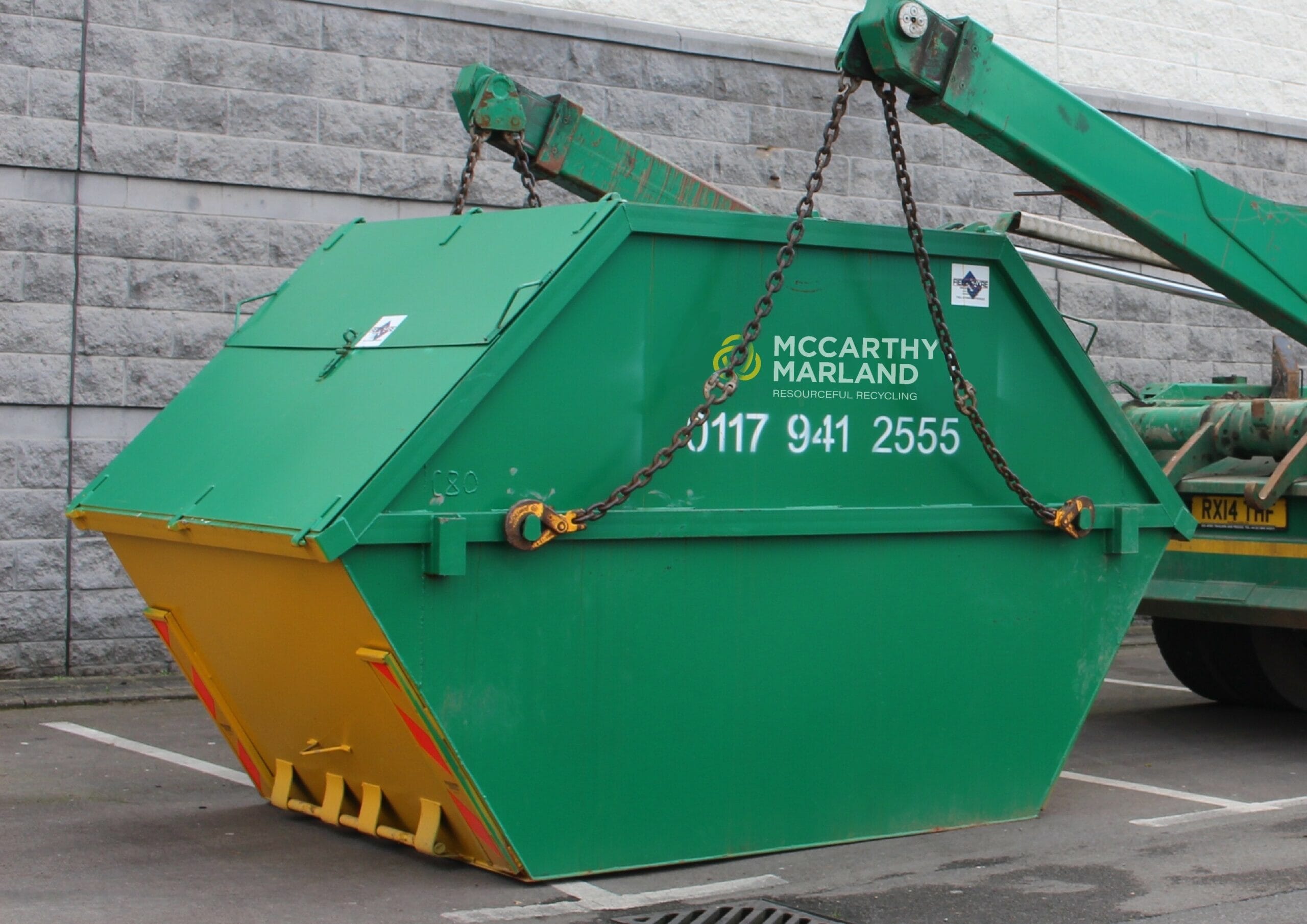
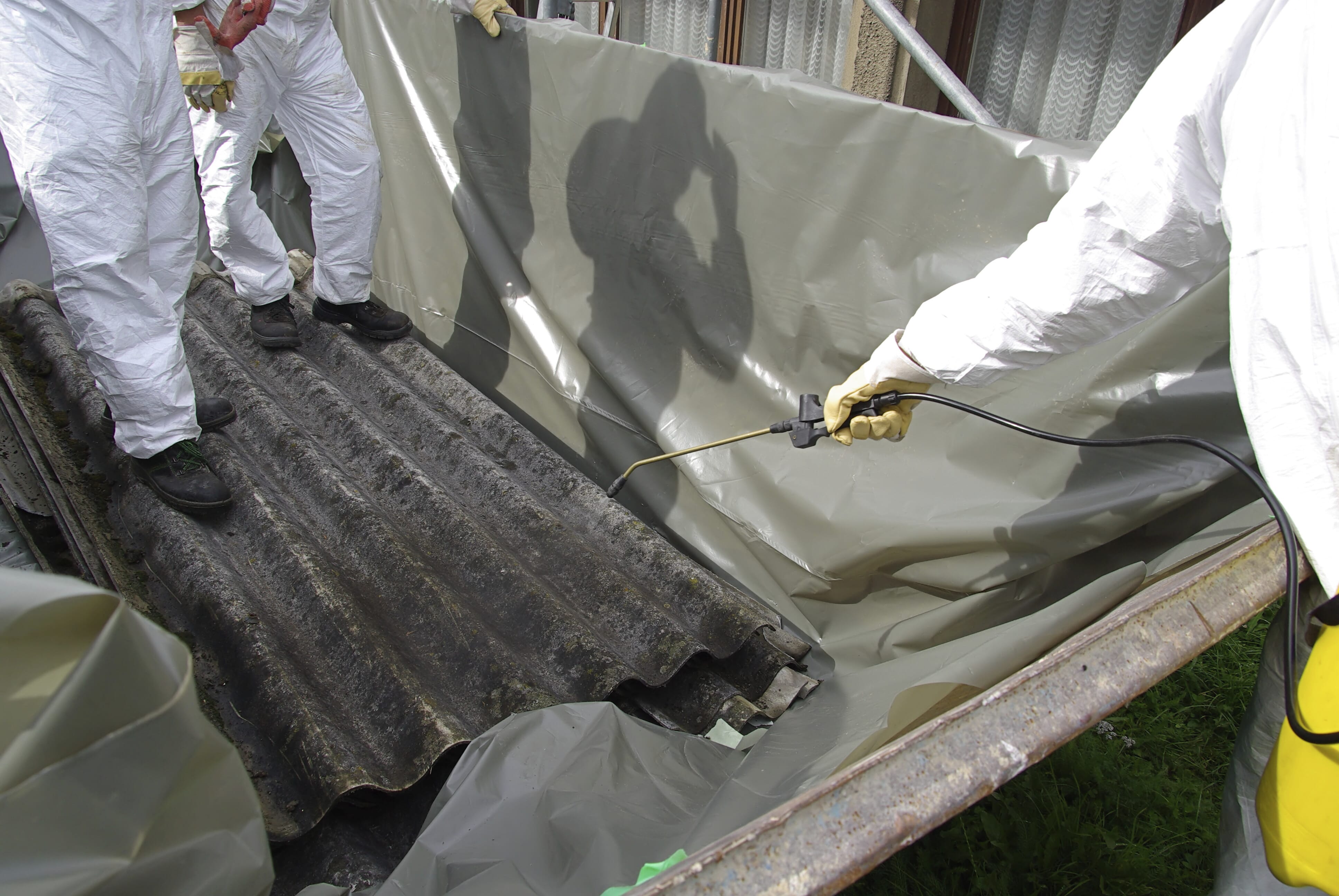
All asbestos waste must be double-bagged, clearly labelled, and placed into suitable secure containers or enclosed skips. These movements must be documented using hazardous waste consignment notes, and disposal must take place at a licensed facility. You should only resume work once the asbestos has been safely removed from your site.
How McCarthy Marland can help you manage asbestos risks with confidence
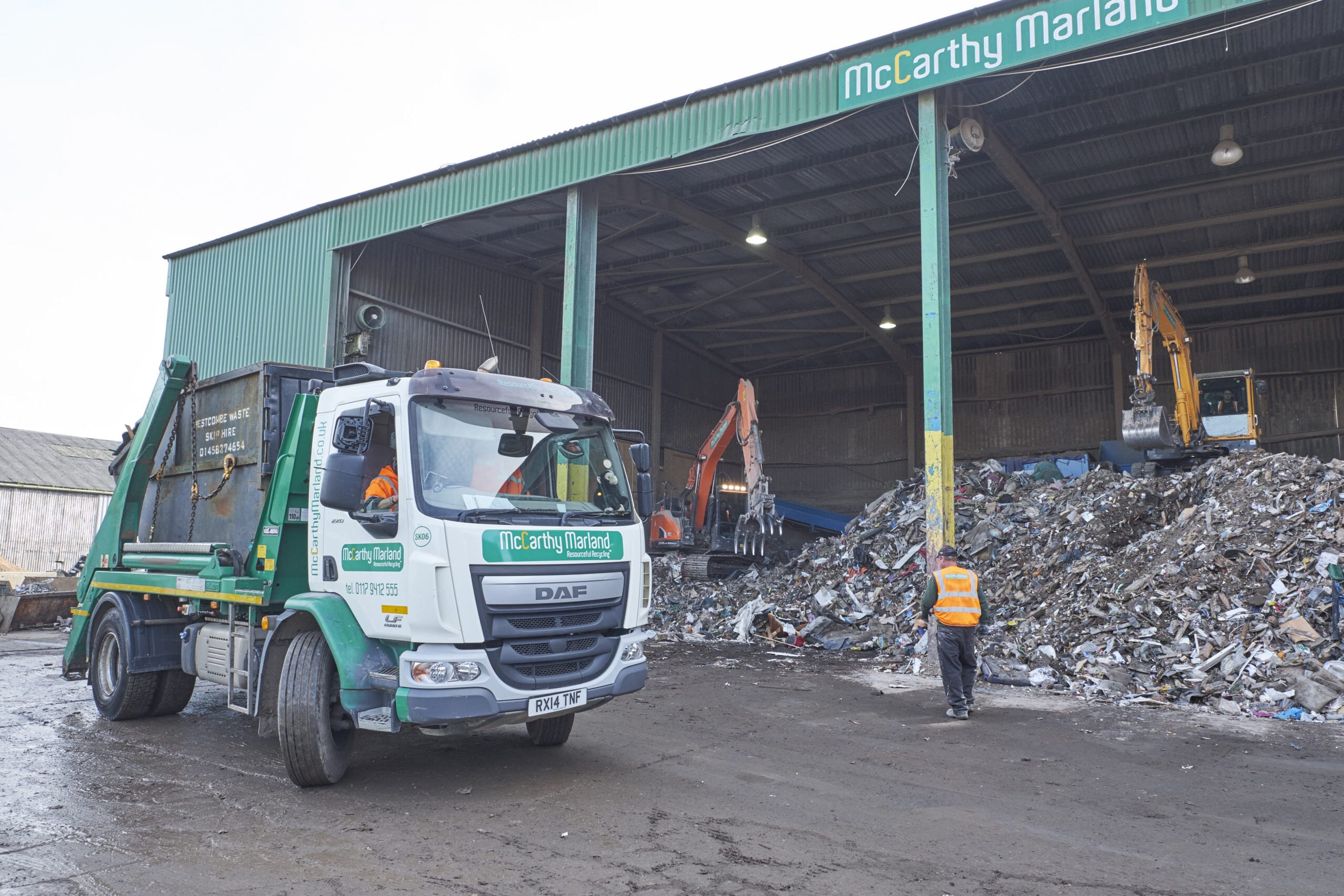
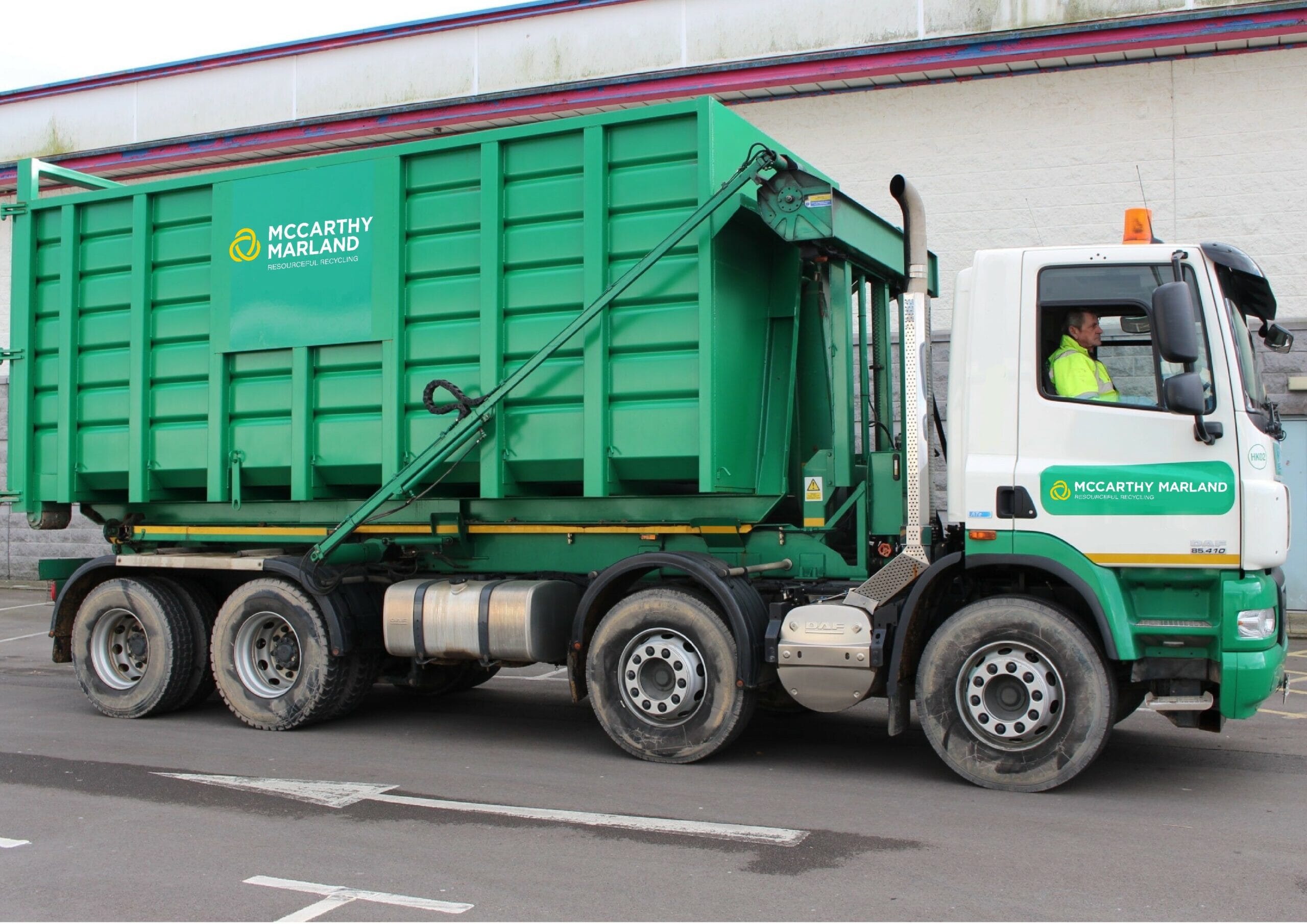
Our expert asbestos waste specialists at McCarthy Marland have been collecting and disposing of asbestos waste and asbestos roof sheets for over 10 years, including bonded asbestos roofing sheets and fibrous asbestos cement. We collect asbestos waste using a variety of compliant asbestos skips and roll-on roll-off containers, before transporting it to a fully licensed asbestos disposal facility that is regulated by the Environment Agency and managed in accordance with stringent hazardous waste regulations.
Get in touch to discover how we can help with your asbestos waste disposal.
FAQs
Do I need an asbestos survey before refurbishment?
Yes, it’s a legal requirement to carry out an asbestos survey before any refurbishment or demolition work takes place – even for small projects.
What should I do if I uncover suspected asbestos on site?
If you uncover suspected asbestos on site, you must stop work immediately, isolate the area, and arrange for a competent surveyor to assess the material.
How should asbestos waste be packaged and disposed of?
Asbestos waste must be double-bagged, clearly labelled, and disposed of through licensed asbestos waste disposal services using the correct paperwork.